 Türkçe
 English
05 November 2025
3894
Mersin Prefabricated House
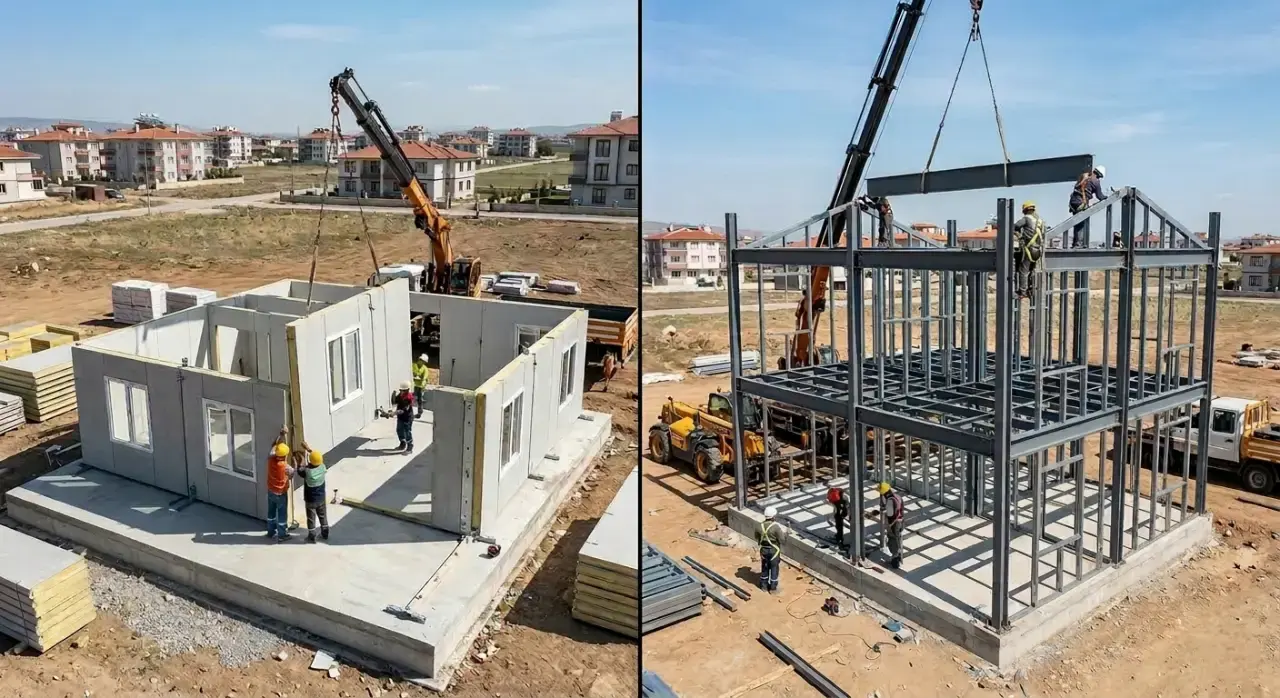
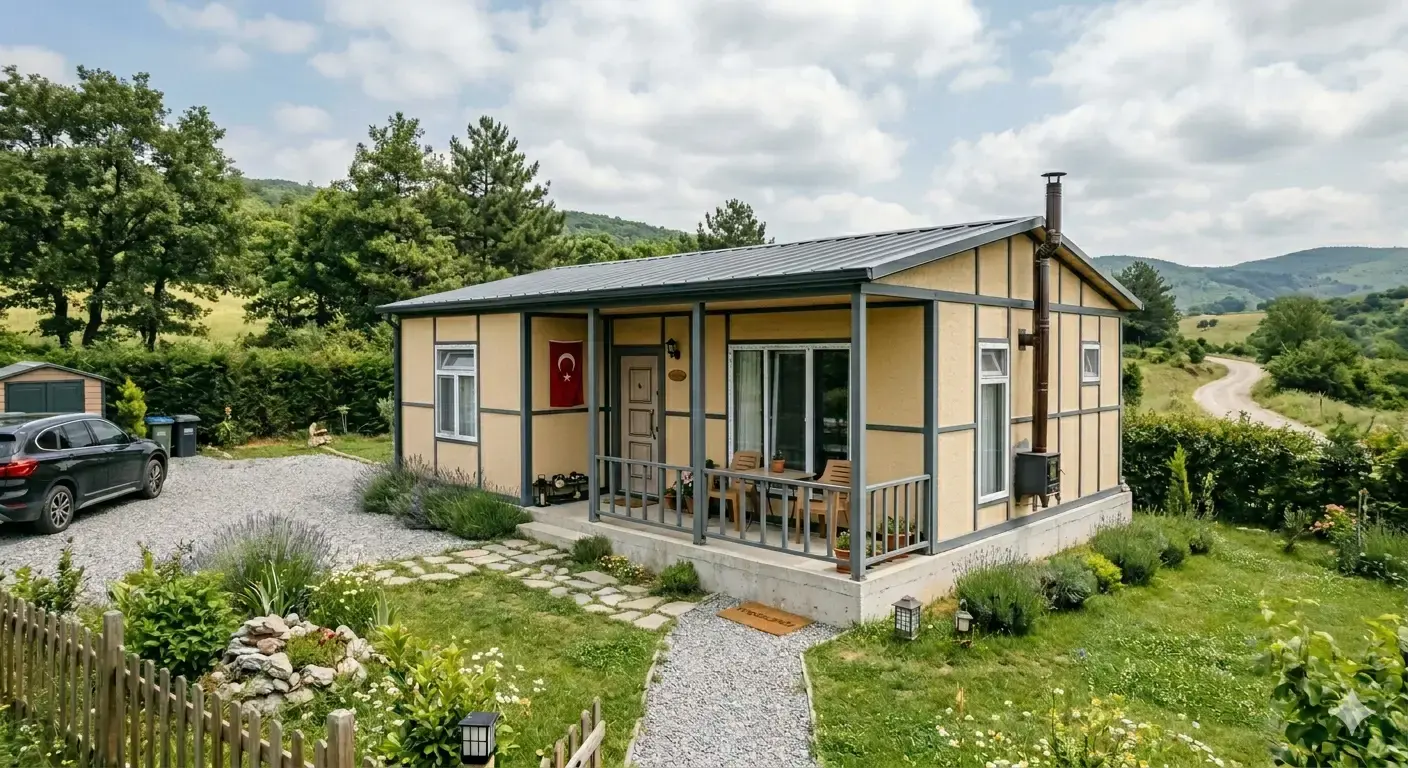
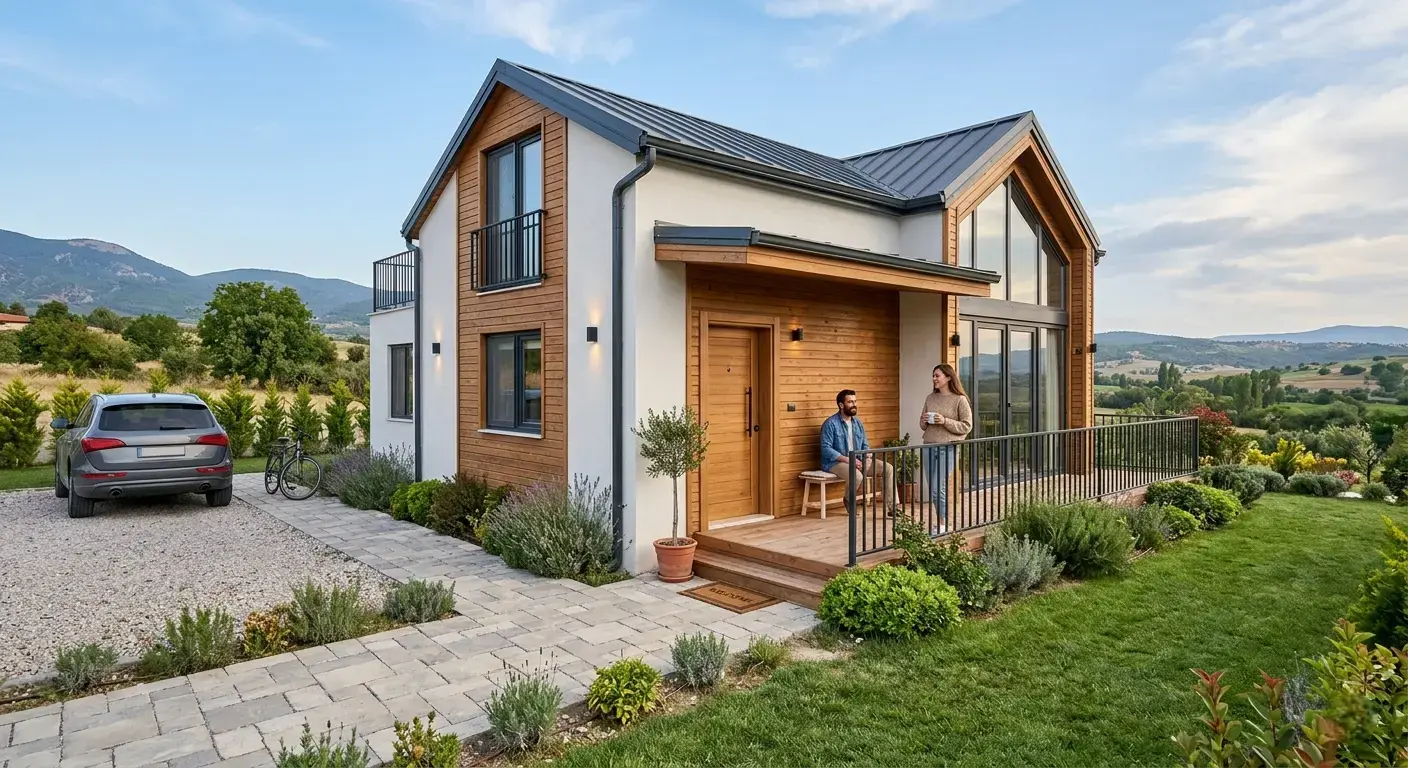
When prefabricated houses are mentioned, many people still think of structures from years past. However, prefabricated houses produced today are quite different from past examples. Considering both the materials used and the architectural options, prefabricated houses are no longer seen only as an alternative type of structure. Many people consider them as one of the first options when planning to build a new house. Basically, what is a prefabricated house? It's a structure where parts such as walls, roof, and load-bearing system are prepared during the production phase and then assembled on the site where it will be built. However, evaluating prefabricated houses solely based on their production method is insufficient. Because when the resulting structure is properly designed, it becomes a living space that can be used for many years.
One issue we frequently encounter in the field is that people confuse prefabricated houses with temporary structures. In fact, when quality materials, correct application, and professional assembly come together, extremely solid structures can be produced. Therefore, the most important thing to consider in prefabricated houses is not how the structure looks, but how it is produced and the standards to which it is applied.
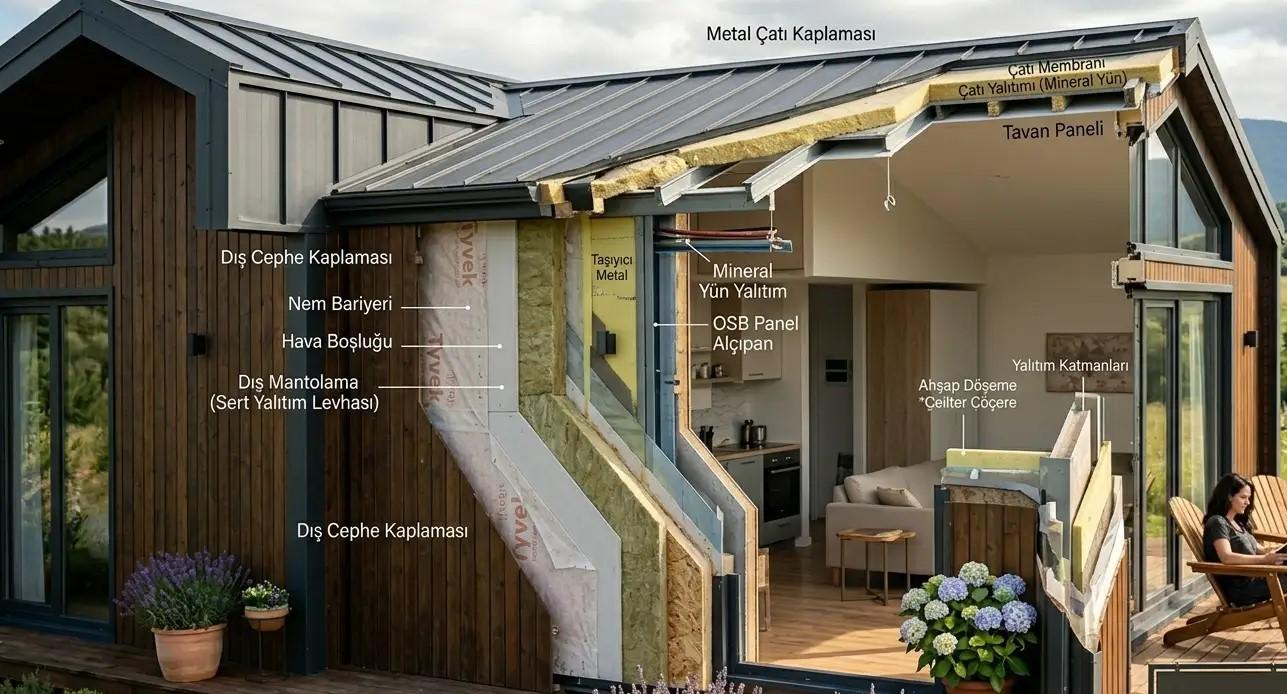
When discussing the durability of prefabricated houses, attention is often focused only on the exterior appearance. However, the materials used behind the walls and under the roof are the real factor determining how long-lasting a structure will be. Therefore, every material chosen for prefabricated houses is of paramount importance in terms of the structure's durability and comfort of use.
Generally, the load-bearing system of prefabricated houses is made of steel profiles. This system, which forms the skeleton of the structure, both increases durability and helps the structure to carry its load evenly. In wall panels, materials consisting of different layers are used, taking insulation properties into account. This largely prevents hot air in summer and cold air in winter from directly affecting the interior.
The materials used in the roof section are just as important as the wall system. Roof applications, which provide protection against external factors such as rain, snow, and wind, play a decisive role in ensuring the structure can be used without problems for many years. Similarly, the products chosen for doors, windows, and insulation details directly affect daily living comfort.
One of the most common misconceptions we encounter in the field is the belief that all prefabricated houses are made with the same materials. In reality, the quality, thickness, and technical specifications of the materials used can vary from company to company. Therefore, when choosing a prefabricated house, it is necessary to pay attention not only to the project but also to the quality of the materials used in that project. Because in a structure that will be used for many years, quality often reveals itself over time, not at first glance.
Speaking of materials, whether prefabricated houses are earthquake-resistant is also a frequently asked question. To find the answer to this question, you can read our article "Are Prefabricated Houses Earthquake-Resistant?" by clicking on the link.
When building a house, people naturally think not only about today but also about years to come. The situation is no different with prefabricated houses. How many years the structure can be used is among the first questions asked. However, it is not possible to give a precise timeframe. Because the lifespan of a prefabricated house depends on many details, from the materials chosen to the quality of construction. People are still living in prefabricated houses built many years ago. This situation alone provides an important insight. What determines how long a structure will last is not simply that it is a prefabricated system; it is how it is produced and how it is applied. Structures produced with quality materials, properly managed assembly processes, and regular maintenance can be used for many years. Especially the load-bearing system, roof applications, and exterior details are of great importance at this point. These parts, which are not visible at first glance, directly affect the performance of the structure over time. Therefore, when choosing a prefabricated house, it is not enough to evaluate it only based on the plan or appearance.
Another issue is maintenance habits. Checking rain gutters, reviewing roof details, or promptly addressing minor exterior problems positively impacts the lifespan of a structure. In fact, this applies not only to prefabricated houses but to all types of housing. Therefore, when asked about the lifespan of prefabricated houses, the real answer is not about years, but about quality. When the right materials, proper application, and regular maintenance come together, prefabricated houses can transform into living spaces that can be used safely for many years.
Here are some features that differentiate prefabricated houses: